


24-hour referral line: +44 7432 624 372


Each child has their own private bedroom which can be personalised to reflect their identity, interests and preferences. Personal space is important in helping children feel comfortable and develop a sense of ownership within the home.
Children are encouraged to personalise their rooms with items such as:
• bedding and soft furnishings
• photos and personal items
• posters or decorations
• favourite belongings
Providing a personal space helps children feel respected and promotes a sense of stability and belonging.
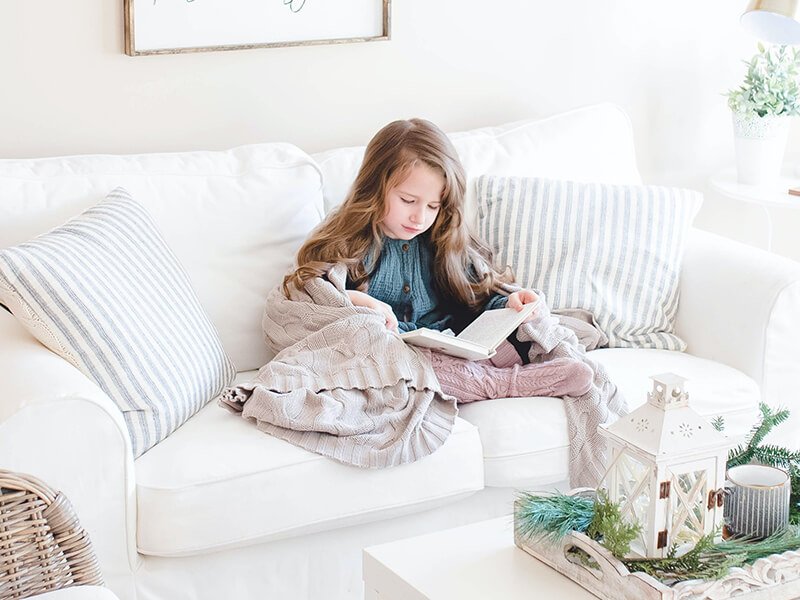
The home provides welcoming communal areas where children can relax, socialise and spend time with staff and other young people.
These areas may include:
• a comfortable living room for relaxing and spending time together
• shared dining areas where children and staff can enjoy meals together
• quiet spaces where children can talk with staff or have time to reflect
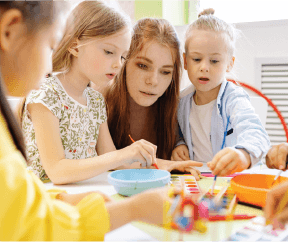
• activity areas where children can take part in games, hobbies and creative activities
Shared spaces help children build positive relationships with others and develop a sense of community within the home.
The home encourages children and staff to come together during mealtimes in a warm, family-style dining environment. Shared meals help create routine, connection and opportunities for positive interaction throughout the day.
Dining experiences may include:
• shared meals where children and staff eat together in a relaxed setting
• opportunities for children to take part in meal preparation and table setting
• encouraging positive conversation and social interaction during mealtimes
• promoting healthy eating habits and independence skills
• celebrating special occasions, achievements and cultural traditions together
Family-style dining supports relationship-building, emotional wellbeing and a sense of belonging within the home.
The home environment supports a therapeutically led approach to care. Staff aim to create a calm, predictable and emotionally supportive atmosphere where children feel comfortable expressing themselves.
Key elements of the therapeutic environment include:
• consistent routines and structure
• positive and respectful communication
• calm spaces for emotional regulation
• nurturing interactions with staff
• the presence of a therapeutic support dog who contributes to emotional comfort and wellbeing
The therapeutic dog is a valued part of the home and provides children with opportunities to experience calm, companionship and positive engagement.
Access to outdoor space is important for children’s wellbeing. The home provides a safe outdoor area where children can enjoy fresh air, physical activity and relaxation.
Outdoor activities may include:
• spending time with the therapeutic support dog
• outdoor games and activities
• relaxing or quiet time in the garden
• opportunities for exercise and wellbeing activities
Spending time outdoors can help children regulate their emotions, reduce stress and improve overall wellbeing.






.png)
.jpg)


